How Air Pollution Affects You and How to Deal With It
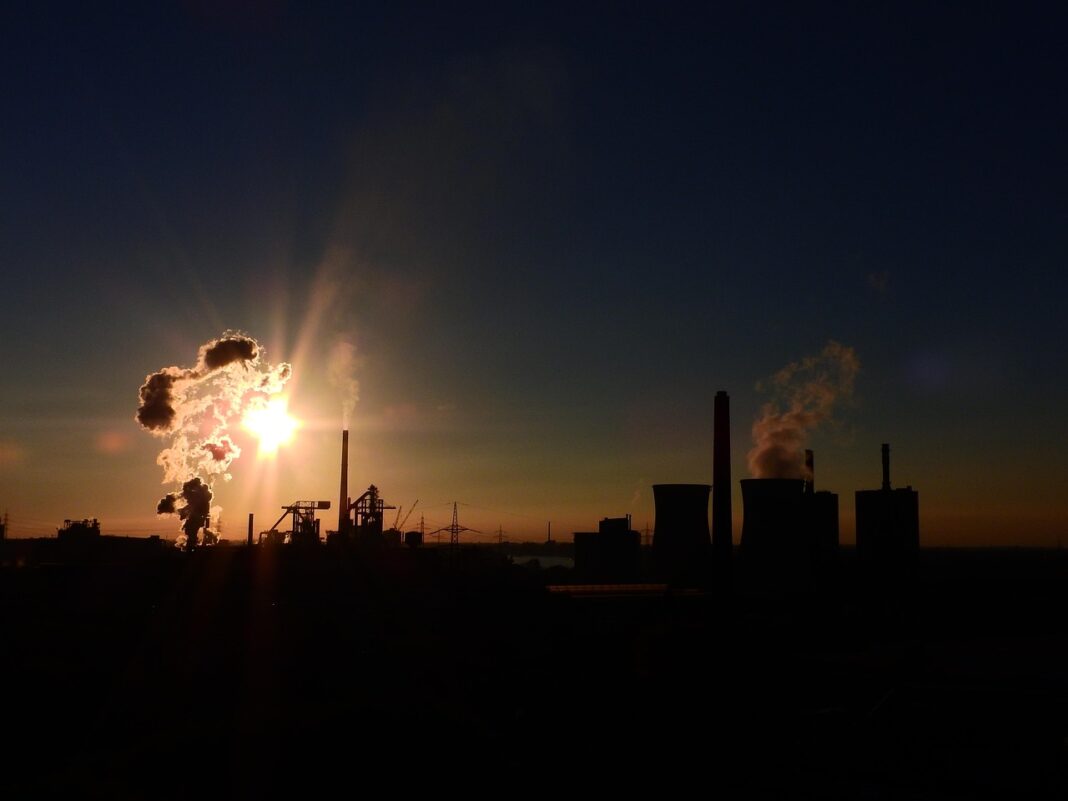
Living in a major city in the modern era means having to deal with air pollution. Since the industrial revolution, and arguably long before it, the air has become filled with toxic particles – and, while the problem has been addressed in recent times through a combination of legal and technological advances, these particles pose a considerable challenge to public health.
It’s estimated that air quality is a contributing factor in more than thirty thousand deaths every year in the UK, and that it costs the economy billions of pounds. So how can we, as individuals, do anything about this?
The Hidden Health Impacts
Air pollution is actually a term that refers to a wide range of phenomena. What is the air being polluted with? The particles in question might have wide-ranging effects on the human body, when inhaled. As such, air pollution in general has been linked with a range of diseases and other issues. You might develop heart disease, cancer, asthma, or have a stroke. You might develop mental health issues, too. In fact, it’s easy to become anxious at the idea that you’re at increased risk of developing cancer.
How It Affects Daily Life
If you’re already suffering from asthma, then the effect of poor air quality might already be obvious. Your symptoms might worsen when you’re in a built-up area, and then abate when you’re out in the country. The same difference might be made, less obviously, to things like your cognitive performance, and your lung capacity.
This consideration might influence your choice of transportation method when you decide to commute. You might also decide to upgrade your home with high-quality ventilation, in order to get around the problem.
Current UK Developments
The Labour government has announced a range of measures designed to improve air quality, following on from the success of clean air zones in major cities like London. Most interestingly, they intend to limit the use of wood-burning stoves, and thereby drive down the quantity of harmful PM 2.5 particulates in the air. These particles, which measure two and a half microns across, are linked to tissue damage and respiratory problems.
Practical Steps You Can Take
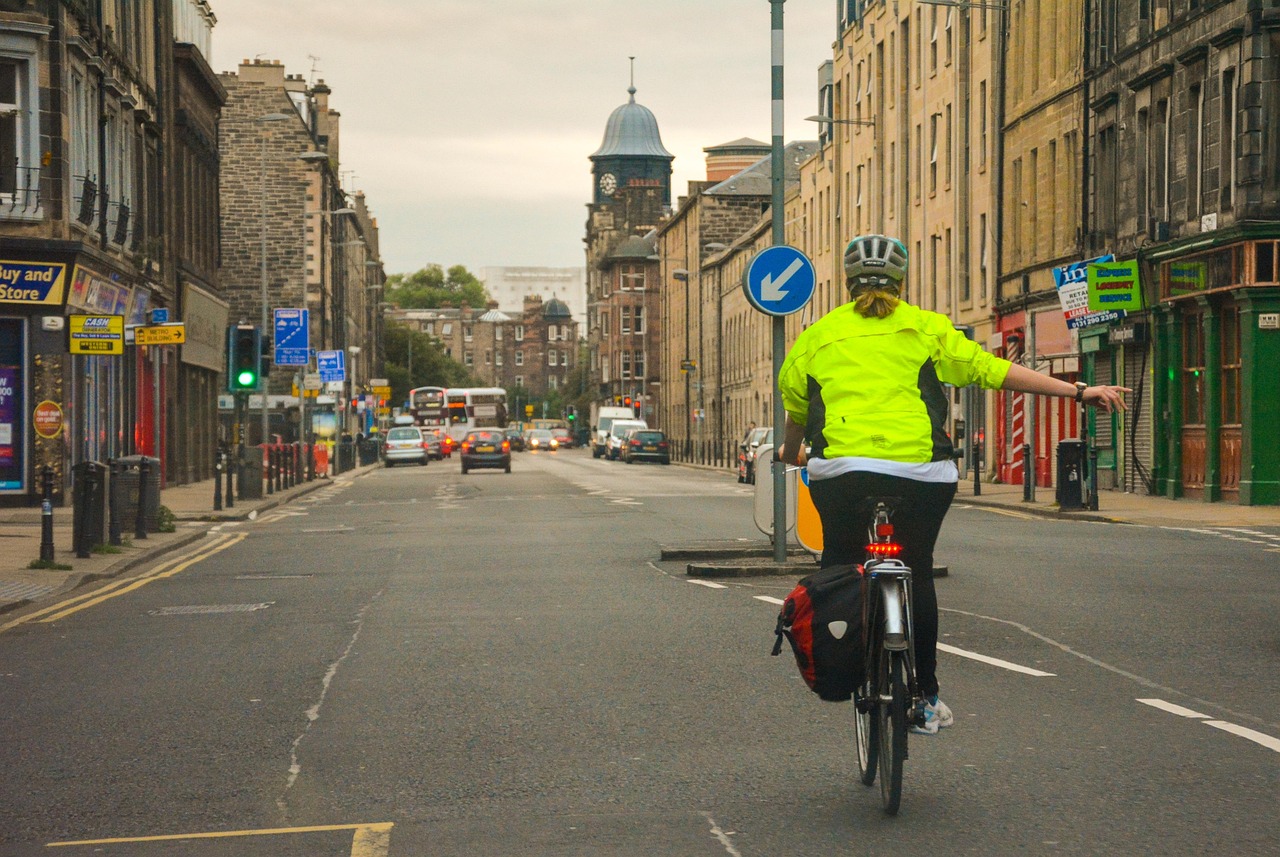
So, what can you do to protect yourself? The most obvious step would be to avoid roads. If you can walk or cycle to work, then you’ll tend to breathe a better quality of air. You might also upgrade your home, remove wood-burning stoves, and make small lifestyle changes that, over time, can make a big difference.