New research from Holland & Barrett Ireland reveals the wider impact of perimenopause and menopause on women’s lives, with almost half (48%) saying they have stopped, reduced or put on hold activities they previously enjoyed.
While menopause and perimenopause are often discussed through the lens of symptoms, the research highlights the need to broaden the conversation – looking at the impact on women’s confidence, relationships, social lives and the everyday things that matter to them, as well as what they want to keep doing.
One figure in particular highlights the breadth of this impact: more than one in three women (36%) say they have stopped feeling confident in themselves because of their experience of perimenopause or menopause. The impact extends into other areas of everyday life too, with 24% saying they have stopped or reduced exercising or staying physically active, 23% putting dating, relationships or intimacy on hold and 19% spending less time socialising with friends or family.
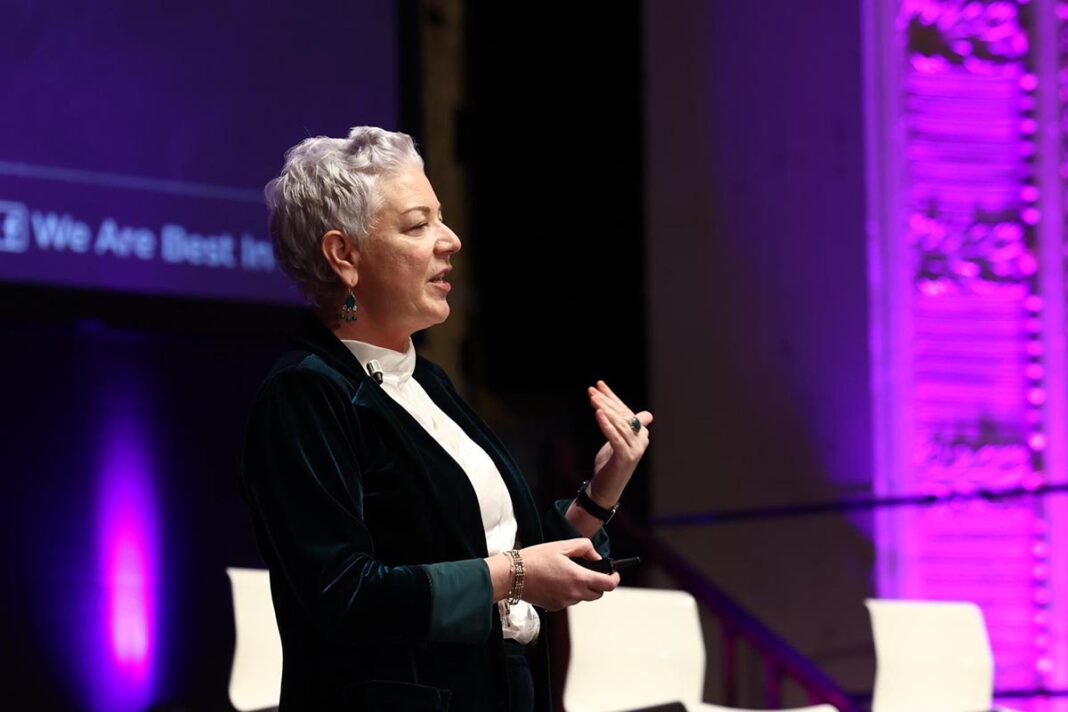
Dr Máire Finn, GP with Centric Health in Ennis and female health expert, commented on the findings: “Menopause is a transitional phase that affects every aspect of life and health to some degree. Too often the emphasis is solely on physical symptoms. My own experience and clinical practice reveals that so often the cognitive and emotional symptoms can be more debilitating.
“This research is extremely valuable and is trying to quantify what women lose on a social and societal level during this period. It highlights the gap between how women want to live and what they experience in reality.”
The research also shows that these are the very parts of life women want to hold onto. Confidence comes out on top, with two-thirds (66%) saying they most want to continue feeling confident in themselves through perimenopause or menopause. This is followed by staying active (57%), socialising with friends and family (53%) and travelling or going on holiday (52%), while 47% want to continue pursuing their hobbies and interests.
The findings reveal a clear tension between what women want to keep doing and what they feel menopause has caused them to put on hold – forming the basis of Holland & Barrett’s new campaign, The Things We Won’t Stop. The campaign puts women, their ambitions and their lives at the centre of the conversation, shifting the focus from what menopause can take away to what women want to keep doing.
To bring the campaign message to life, Holland & Barrett has commissioned a hand-painted window installation at its Henry Street, Dublin, store, celebrating the things women want to hold onto through perimenopause and menopause. Created by Nonie Stafford, the Wexford-based artist behind Blossomink Studio, the artwork features her signature mural art and calligraphy style, celebrating confidence, connection, movement, adventure and the everyday moments that matter to women.
The campaign also brings women’s personal experiences into focus, highlighting the importance of feeling supported to continue doing the things that bring confidence, connection and enjoyment to everyday life. Dublin-based makeup artist, content creator and body positivity advocate Elaine Cruz is supporting the campaign, sharing her own perspective on menopause and the importance of looking beyond symptoms to the impact on women’s lives.
Research carried out by iReach and commissioned by Holland & Barrett in October 2026.
These findings are based on a nationally representative survey of 322 women across Ireland who are currently experiencing perimenopause or menopause, or are postmenopausal.
Key findings:
- 48% say they have stopped, reduced or put on hold activities they previously enjoyed.
- 36% say they have stopped feeling confident in themselves.
- 24% have stopped or reduced exercising or staying physically active.
- 23% have stopped, reduced or put on hold dating, relationships or intimacy.
- 19% have reduced socialising with friends or family.
- 66% most want to continue feeling confident in themselves.
- 57% want to continue exercising or staying physically active.
- 53% want to continue socialising with friends and family.
- 52% want to continue travelling or going on holiday.
- 47% want to continue pursuing hobbies and interests.
- Just 10% say they have felt sufficiently informed and supported through perimenopause or menopause.
- Among those who feel they would have benefited from more support, 34% say a better understanding of symptoms would have helped, while 32% say better advice or support from healthcare professionals would have helped.
- 27% say better access to specialist menopause support would have helped.
- 23% would have valued somewhere they could speak face-to-face with a knowledgeable person for advice.