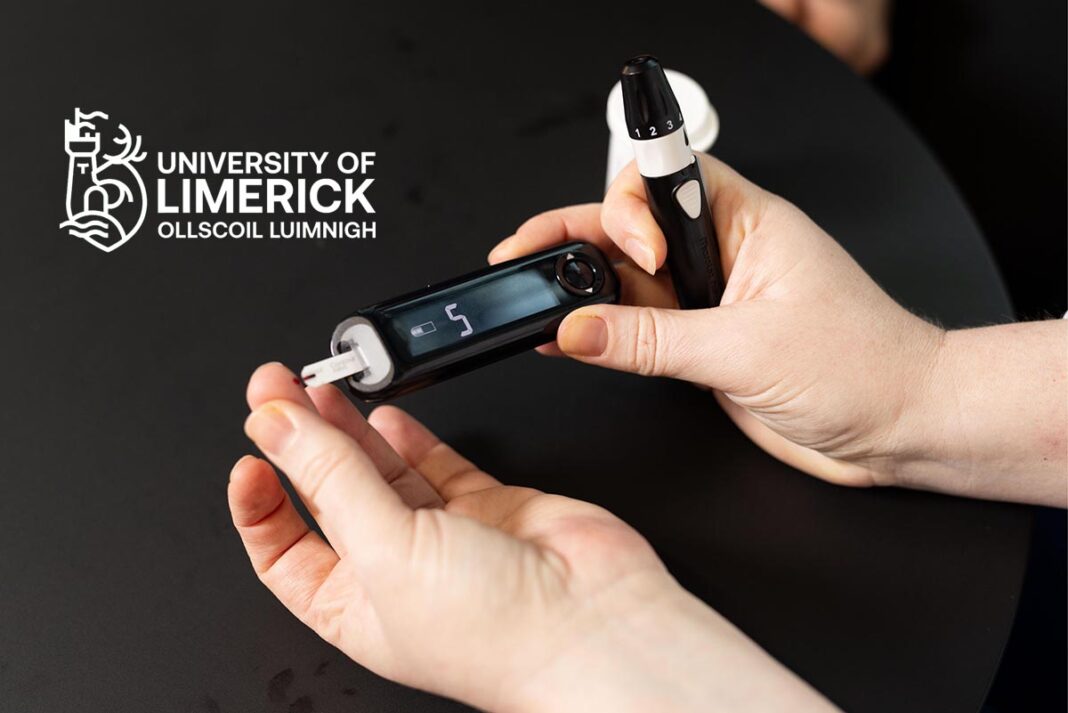
A University of Limerick study has identified the hidden challenges of women living with and managing Gestational Diabetes Mellitus (GDM).
The research led by academics in UL’s Department of Psychology is the first review of the evidence in this area. It highlights specifically how partners influence the experiences of women diagnosed with GDM.
According to the research, which analysed the experiences of almost 2,000 women across 21 countries, partners play an important role in women’s experiences of GDM, but support is not always helpful, and the level of support provided varies widely.
The extensive review titled: ‘Partners’ influences on women’s experiences of living with and managing Gestational Diabetes Mellitus: A Qualitative Evidence Synthesis,’ analysed 62 qualitative studies and was recently published in Health Psychology Review.
GDM is the most common pregnancy-related complication and can affect both mother and baby, potentially leading to long-term health implications.
According to Diabetes Ireland, the condition affects roughly 7,000 pregnancies, which corresponds to between 12–14% of pregnancies in Ireland annually.
Findings revealed that supportive partners appeared to positively influence coping and management of the condition, while overbearing or inadequate support increased the burden of GDM for the women.
Lead author of the study, Fay O’Donoghue, led the review as part of her PhD research at University of Limerick. Ms O’Donoghue said: “For many women in Ireland and around the world, the day-to-day reality of gestational diabetes is shaped not only by clinical care but also by what happens at home, including the role of partners.”
The study revealed several key findings:
When partner support meets women’s wants and needs, the support can help them cope and manage the condition day to day
When support is insufficient, it can increase pressure and emotional strain, making managing the condition more difficult
Women’s preferences for partner involvement varied, and support worked best when it matched their specific needs
Monitoring or “surveillance” by partners could be helpful (providing accountability or structure) or intrusive, depending on the woman
Mismatched support left women feeling unsupported or frustrated
Overall, the effectiveness of partner support depends on knowledge, communication, alignment with women’s individual needs, and cultural context.
“Our findings highlight the importance of ensuring partners have the right knowledge and understanding of gestational diabetes, so they can provide supportive, collaborative, and individualised help”, said Ms O’Donoghue.
“Open communication between couples is also essential, allowing partners to understand women’s needs and offer the right kind of support,” she added.
Cultural expectations around support also impacted how support was perceived and provided.
The authors recommend that healthcare strategies focus on improving opportunities for GDM education and culturally tailored support to optimise partner involvement.
Future research to explore factors influencing support and identify strategies to enhance GDM care was also recommended.
Dr Ann-Marie Creaven, Associate Professor in Psychology, and review co-author explained: “Involving partners more substantively in gestational diabetes care could lessen the burden on women and support healthier pregnancies.”

Dr Tomás Patrick Griffin, Consultant in Diabetes, Endocrinology and General Internal Medicine, and co-author explained that, while GDM often resolves after birth, “women who experience it are at higher risk of developing type 2 diabetes later, and their children may face increased risks of overweight and diabetes”.
Dr Griffin said: “Our study shows that the support women receive at home can make a real difference in how they manage the condition and cope with the stress it brings.”
“The implications are clear: partner-inclusive education and culturally informed care plans could improve everyday management and reduce the psychological burden of GDM,” added Dr Griffin.
‘Partners’ influences on women’s experiences of living with and managing Gestational Diabetes Mellitus: A Qualitative Evidence Synthesis’ is available to read in full here.