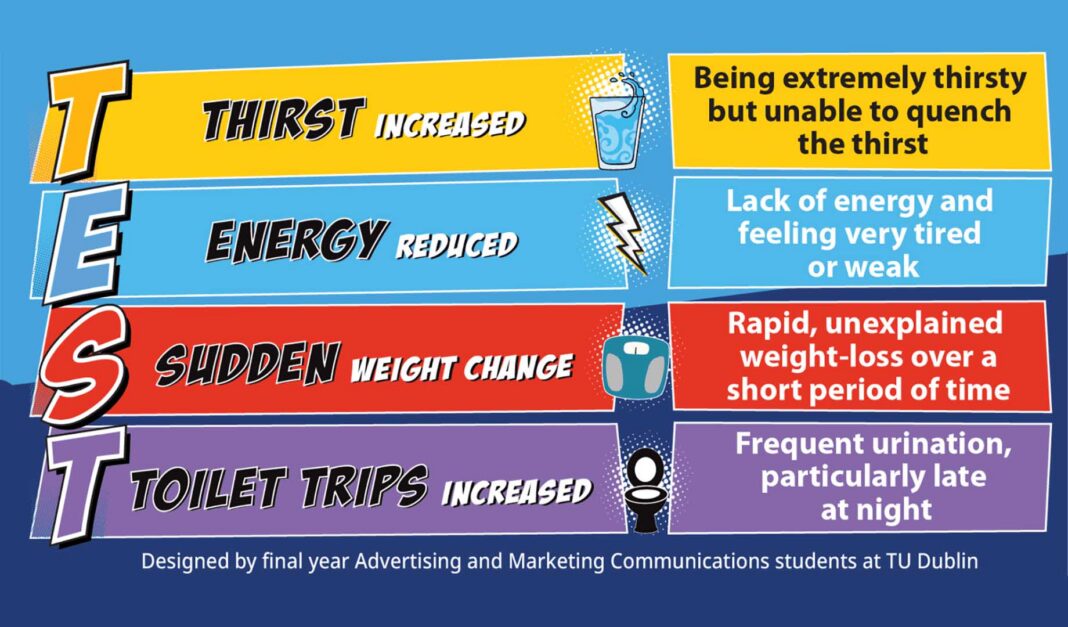
The Irish Childhood Diabetes National Register, in collaboration with Diabetes Ireland, is launching a new health promotion campaign to raise awareness of the signs and symptoms of type 1 diabetes in children and young people.
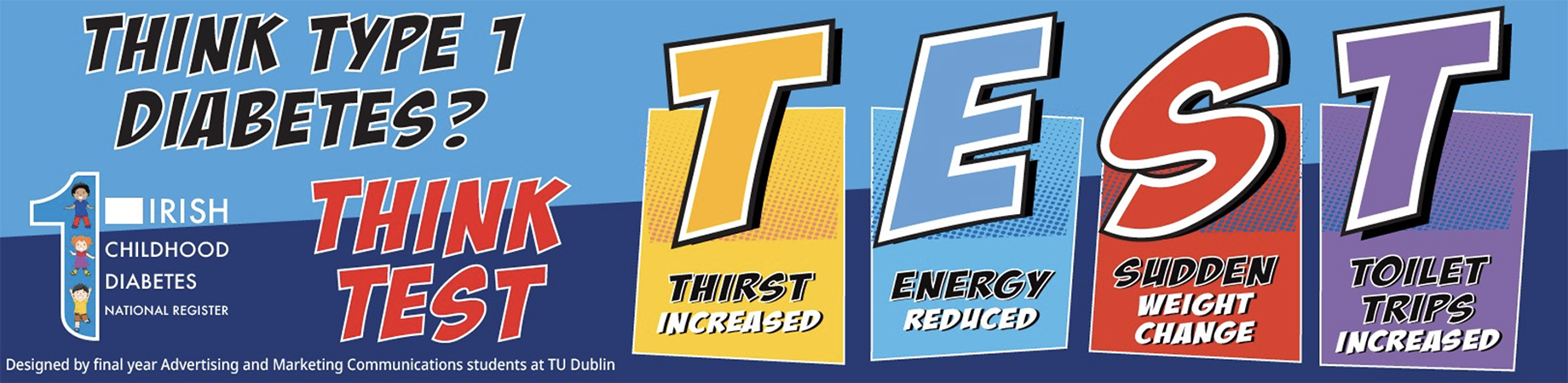
The “Think Type 1 Diabetes. Think Test” campaign will feature a radio advert encouraging parents, carers, teachers and healthcare professionals to recognise the symptoms of type 1 diabetes, seek testing and support earlier diagnosis.
Ireland has a high incidence of type 1 diabetes in children and adolescents. The number of new cases in children under 15 years has increased from 16 cases per 100,000 per year in 1997 to 36 cases per 100,000 in 2025. There are now approximately 370 new cases diagnosed with type 1 diabetes in Ireland each year.
The symptoms of type 1 diabetes can be subtle and are often overlooked or explained away as more common childhood illnesses. These include frequent urination, extreme thirst, lack of energy and unexplained weight loss. Other symptoms can include new bedwetting in a previously toilet-trained child, waking during the night to pass urine, constipation, increased hunger and changes in mood.
Delayed diagnosis can result in diabetic ketoacidosis (DKA), a life-threatening medical emergency. DKA occurs when there is not enough insulin in the body, causing a build-up of acids known as ketones in the bloodstream. Symptoms include dehydration, vomiting, abdominal pain, lethargy and breathing difficulties. If left untreated, DKA can make a child extremely unwell and progress to coma very quickly.
Research suggests that approximately one in five children are not diagnosed at their initial visit to a healthcare professional, with some experiencing delays of up to two weeks. International research involving more than 24,000 children found that almost 40% of children presenting with DKA had previously been seen by a doctor before diagnosis, highlighting missed opportunities for earlier detection.
Growing evidence also indicates that DKA at diagnosis may have consequences beyond the immediate medical emergency, potentially increasing the risk of poorer diabetes control and diabetes-related complications later in life.
Professor Edna Roche, Chair of Paediatric Endocrinology and Diabetes at Trinity College Dublin and Consultant in Paediatric Endocrinology and Diabetes at Children’s Health Ireland at Tallaght, is Principal Investigator and Lead of the Irish Childhood Diabetes National Register said:
“The symptoms of type 1 diabetes can be subtle and are often explained away as more common childhood illnesses. Parents, carers, teachers and healthcare professionals need to think diabetes when these symptoms arise. Earlier recognition can significantly reduce the number of children and young people presenting with DKA, which remains the most serious and potentially fatal preventable complications of delayed diagnosis.”
“Research shows that many children who develop DKA had contact with a healthcare professional before their diagnosis. These represent missed opportunities to identify diabetes earlier and prevent serious illness.”
Type 1 diabetes is an autoimmune condition in which the body’s immune system attacks and destroys the insulin-producing cells in the pancreas. It can affect any child, and for most families a diagnosis comes completely unexpectedly. Only around one in ten diagnosed Irish children has a close relative, such as a parent or sibling, with type 1 diabetes.
Professor Roche added: “A simple blood glucose test and urine test can usually confirm or exclude the diagnosis. Early diagnosis means treatment can begin before a child becomes seriously unwell with DKA. It can result in a less intensive hospital experience for the child and family, allowing diabetes education and support to begin sooner, reducing stress and improving outcomes.”
“We want people to remember three simple words: Think. Test. Treat. If a child develops symptoms that could indicate diabetes, think diabetes and seek medical advice. The earlier diabetes is identified, the greater the opportunity to avoid DKA and its potentially serious consequences.”
This Think Type 1 Diabetes. Think Test. campaign is supported by Abbott and aims to increase awareness of the symptoms of type 1 diabetes, encourage prompt testing and reduce the number of children presenting with DKA at diagnosis. By helping parents, carers, teachers and healthcare professionals recognise the warning signs earlier, the campaign seeks to improve outcomes for children and young people across Ireland.
The radio campaign will be supported by a social media campaign and efforts to increase awareness among teachers and healthcare professionals and the wider community. For more information, visit www.diabetes.ie.
The Irish Childhood National Diabetes Register (ICDNR) was established in 2008, to define and monitor the epidemiology of childhood type 1 diabetes in Ireland. It uniquely provides accurate national level data, regarding type 1 diabetes in children and young people, which is crucial to inform resource allocation, health policy, clinical care and research. It is a joint research program of the University of Dublin, Trinity College and CHI@Tallaght, governed by a highly skilled steering group. It was established by researchers from Trinity College Dublin and supported by the National Childrens Hospital Foundation. Currently the ICDNR is supported equally by an unrestricted grant from Novo Nordisk Ltd and Abbott Ltd. since March 2022.
Diabetes Ireland is the national charity dedicated to helping people with diabetes. It achieves this by providing support, education and motivation to all people affected by diabetes. The charity also raises public awareness of diabetes and its symptoms, fosters programmes for the early detection and prevention of diabetes complications and supports advances in diabetes care and research that will improve standards of care and quality of life for people with diabetes.
How we speak/write about diabetes matters
This short Irish Language Matters guide aims to raise awareness of how improving communication with and about people with diabetes can make a difference in supporting people living with the condition. It was developed to support people working in the media as well as the general public in Ireland. talking–about–diabetes.pdf